📝Article
NewFactors Driving the Success of Norwegian Sport
Flavius Andrisca
10 April 2026
21 views
enU12-U16U17+U7-U11Youth development environmentApplication
Mark O’Sullivan
Norwegian School of Sport Sciences
2026
Original content shared with permission / Educational use
Description
An analysis of the key factors behind Norway’s success in sport, focusing on child-centered development, community-based structures, cultural influences, and the relationship between long-term participation and elite performance.
Factors Driving the Success of Norwegian Sport
Dr. Mark O’Sullivan
Associate Professor Norwegian School of Sport Sciences
Norway has consistently performed at a very high level in international sport, particularly in winter sports and endurance disciplines, despite having a relatively small population of just over five million people. Key factors contributing to Norway’s success include a strong child-centered philosophy in youth sport, a focus on late specialization, a robust community-based club system, significant public investment in sport, close collaborations with academic institutions, and a cultural tradition of physical activity.
Children’s rights in sport
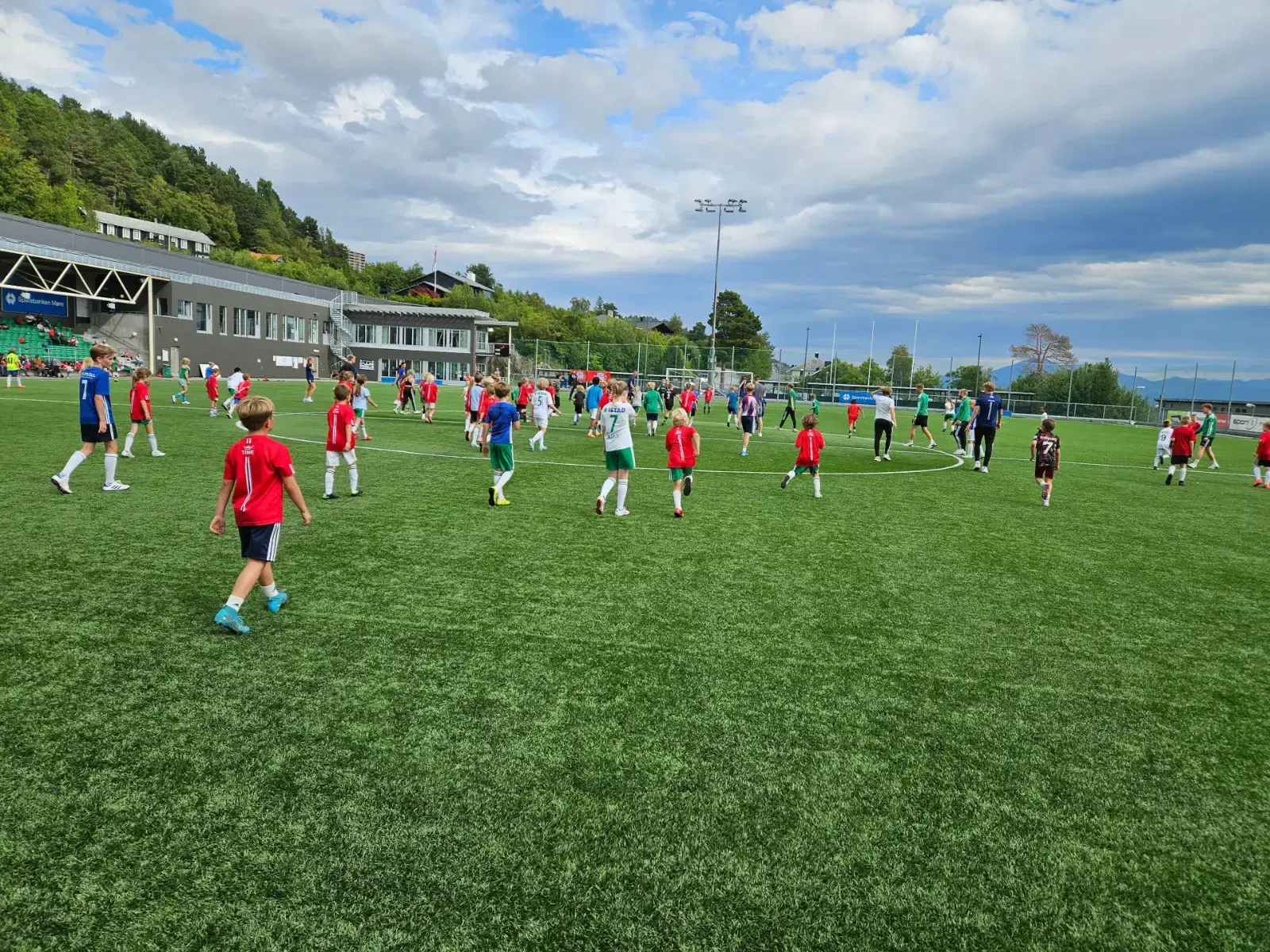
A central element of Norwegian sport is the child-centered philosophy that guides youth participation. The national sport system promotes a set of principles often referred to as “children’s rights in sport” (UNCRC). These guidelines emphasise enjoyment, participation, and personal development. In practice, this means that young children are encouraged to focus on play and skill development rather than results, and formal rankings or intense competition are generally avoided until early adolescence. This approach helps create a positive sporting environment that prioritizes motivation, inclusion, and long-term engagement. As a result, many children remain involved in sport for longer periods, which increases the overall talent pool and reduces the risk of burnout or early dropout.
Closely related to this philosophy is Norway’s emphasis on encouraging children to participate in many sports instead of focusing on one sport at an early age. This multi-sport approach helps develop a broad range of motor skills, coordination, and physical abilities. Many successful Norwegian athletes report participating in several sports during their youth before specializing later in adolescence. It can be argued that athletes get the opportunity to develop a stronger physical and psychological foundation, which ultimately supports higher performance at the elite level.
Community-based
Another key factor behind Norway’s sporting success is the strong network of local sports clubs that forms the backbone of the national sport system. These clubs are typically non-profit and community-based, relying heavily on volunteers, particularly parents. This structure makes sport accessible and affordable for many families and allows a large proportion of children to participate. The emphasis on community involvement also creates supportive environments where young athletes can develop both socially and athletically. Because participation is widespread, the system generates a broad base of athletes from which elite performers can eventually emerge.
Strategic investment, sport science and “friluftsliv”
In addition to grassroots participation, Norway also invests strategically in elite sport development. Organizations such as Olympiatoppen play a crucial role in supporting high-performance athletes and teams. This organization provides access to sport science, coaching expertise, performance analysis, and medical services. By integrating scientific research with practical training methods, Norwegian athletes benefit from evidence-based approaches to performance improvement. Furthermore, government funding and lottery revenues help finance facilities, coaching education, and athlete support programs, ensuring that elite athletes receive the resources they need to compete at the highest level.
Cultural factors also contribute significantly to Norway’s success in sport. Outdoor recreation, often referred to as “friluftsliv,” is deeply embedded in Norwegian society. Activities such as skiing, hiking, and cycling are common from an early age and are widely supported by families and schools. This culture of outdoor activity helps develop a broad range of movement skills and endurance while fostering a lifelong appreciation for physical activity. For many Norwegian children, engaging in outdoor sport and exercise is simply a natural part of everyday life.
Bodø/Glimt
A good recent example of how this value-based approach that reflects broader characteristics of Norwegian sport, is the success of the football club Bodø/Glimt. Despite being located in a relatively small city north of the artic circle, the club has achieved remarkable success domestically and in European competitions. One of the key reasons for this success is the club’s strong emphasis on shared values, culture, and player development. The club promotes principles such as trust, humility, collective responsibility, and continuous improvement. Under the leadership of head coach Kjetil Knutsen, Bodø/Glimt has developed a distinctive playing style characterized by a strong teamwork ethic. Knutsen has emphasized a learning-oriented environment in which players are encouraged to take responsibility, support one another, and constantly seek improvement.
Rather than relying solely on expensive player transfers, the club focuses on developing players within a supportive environment where teamwork and commitment to the collective are prioritized. In a recent interview Olav Øverli, Academy Director at Bodø/Glimt, said – “Joy is one of the most powerful drivers of learning, yet many academy structures forget about it”. The success of Bodø/Glimt therefore demonstrates how a strong culture and clear values can allow a relatively small club to compete successfully against larger and wealthier teams.
In conclusion, the success of Norwegian athletes and teams can be attributed to a combination of philosophical, structural, and cultural factors. A child-centered approach to youth sport encourages enjoyment and long-term participation, allowing athletes to develop a strong foundation before focusing on elite performance. The extensive network of community sports clubs ensures broad participation, and strategic investment in elite sport and close collaborations with academic institutions like the Norwegian School of Sport Sciences, provides the necessary resources and expertise for high-level competition. Together with a strong cultural tradition of outdoor activity, these factors create a sport ecosystem that consistently fosters successful athletes despite Norway’s relatively small population.
Context
This piece explores why a relatively small system like Norway consistently produces high-level performance in sport. The underlying question is: what in the environment children grow up in makes this possible, and how much of it is shaped by structure, culture, and early pedagogical choices?
Central Argument
The success of Norwegian sport does not come from isolated training methods, but from a coherent ecosystem: a child-centered approach, broad participation, multi-sport exposure, and a cultural context that integrates movement into everyday life.
Real Examples
- Children are encouraged to take part in multiple sports before specializing. - Formal competition and rankings are delayed until early adolescence. - Clubs are largely non-profit and built around community involvement. - Organizations such as Olympiatoppen connect sport science with practice. The cultural concept of outdoor life supports continuous exposure to movement. - Bodø/Glimt shows how shared values and a learning environment can support performance without relying on expensive transfers.
Implicit Assumptions
- Broad participation increases the long-term talent pool. - Delayed competition supports sustainable development. - The environment directly shapes how children learn and engage with sport. - Community-based structures can support development without heavy commercialization. - Multi-sport and outdoor exposure lead to more adaptable athletes.
Pedagogical Risk
If applied superficially, this approach can be reduced to simple ideas: - “no competition” becomes lack of challenge - “child-centered” becomes absence of guidance - “multi-sport” becomes unstructured exposure - copying the model without similar cultural conditions The risk is losing the balance between freedom and structure, which is where development actually happens.
Questions for Reader
- What in my environment actually supports the child, and what only limits them?
- Where do I introduce pressure too early, and what does that create over time?
- What do children learn from how training is structured, beyond the exercises themselves?
- How much of what I do depends on my context, and how transferable is it?
- If results were no longer the main reference point, what would I pay attention to instead?
Pedagogical Intent
This piece targets a shift in behavior from early specialization and result-driven coaching toward designing environments that sustain long-term participation and development. It aims to support learning that emerges through varied experiences, play, and continued engagement rather than controlled progression. It supports autonomy by allowing children to explore multiple sports, make decisions, and remain involved without early performance pressure. It activates relational dynamics built on trust, shared responsibility, and community involvement between coaches, players, and parents. It invites coaches to act less as instructors and more as designers of environments where learning can unfold over time.
Working Hypothesis
If children grow up in a sport environment that prioritizes enjoyment, multi-sport participation, and delayed specialization, within a supportive community structure, then they are more likely to remain engaged longer, develop adaptable skills, and reach higher levels of performance over time, because continued participation, exposure to varied movement experiences, and low early pressure support both skill adaptability and long-term motivation.
Failure Conditions
Unsuitable Context
elite academies under immediate performance pressureshort-term competition cyclesselection-based environmentslow-resource settings without community structurecultures with high parental pressure
Probable Misreading
no competition at allno structure or guidancefree play equals no coachingmulti-sport without intentionremoving challenge instead of calibrating it
Pedagogical Risk
loss of training intensitylack of progressiondisengagement due to absence of directionconfusion between autonomy and neglectdiluted development environment
A structured terrain report from anyone who has applied this resource in real practice.
Loading field notes...
Quick Info
Type
📝Article
Status
NewVersion
v1.0
Language
en
Age Groups
U12-U16, U17+, U7-U11
Duration
11 min
Complexity
intermediate
Secondary Themes
Child-centered coachingLong-term athlete developmentClub structures & cultureMulti-sport participation