📚
Pedagogical Library
Curated resources for coaches, educators, and parents. Training sessions, articles, research, and programs validated by our pedagogical principles.
6
Resources
1
Contributors
183
Total Views
Quick filters:
Showing 6 resources
🔬Research
new
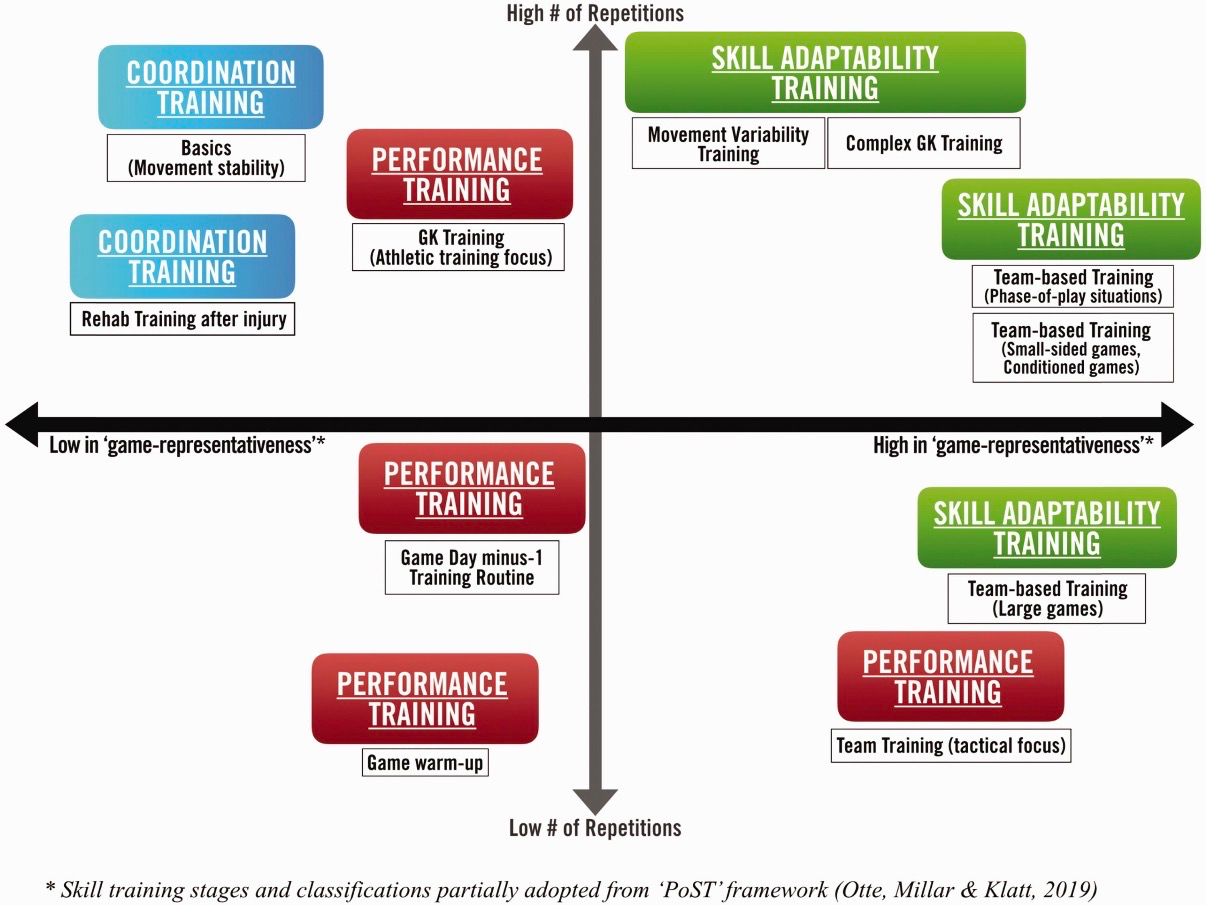
Skill Training Periodization in “Specialist” Sports Coaching — An Introduction of the “PoST” Framework for Skill Development
A conceptual framework explaining how coaches can structure and periodize skill development through representative learning environments, constraints manipulation and progressive information complexity.

Fabian W. Otte, Sarah-Kate Millar, Stefanie Klatt
Uploaded by Flavius Andrisca
U12-U16U17+
Skill Acquisition57en
4 May 2026
🔬Research
new
Teaching to Coach Football: Pre–Post Changes in Declarative Tactical Knowledge Following a 14-Week University Programme
A university-based study examining how a 14-week football teaching programme influenced declarative tactical knowledge in Sport Sciences students. The research explores how coach education can integrate tactical understanding, representative learning and constraints-led pedagogy to improve coaching-related decision making.
Rubén Sánchez-López, Enrique Hernando
Uploaded by Flavius Andrisca
U12-U16U17+
Coach Education15en
3 May 2026
🔬Research
new
Training or Synergizing? Complex Systems Principles Change the Understanding of Sport Processes
A conceptual paper exploring how complex systems science, ecological dynamics and biological evolution reshape the understanding of sport training. The article argues for moving from isolated training components toward the development of synergies, adaptability and diversity potential within athletes and teams.
Rafel Pol, Natàlia Balagué, Angel Ric, Carlota Torrents, John Kiely, Robert Hristovski
Uploaded by Flavius Andrisca
U12-U16U17+
Complex Systems & Ecological Dynamics21en
3 May 2026
🔬Research
new
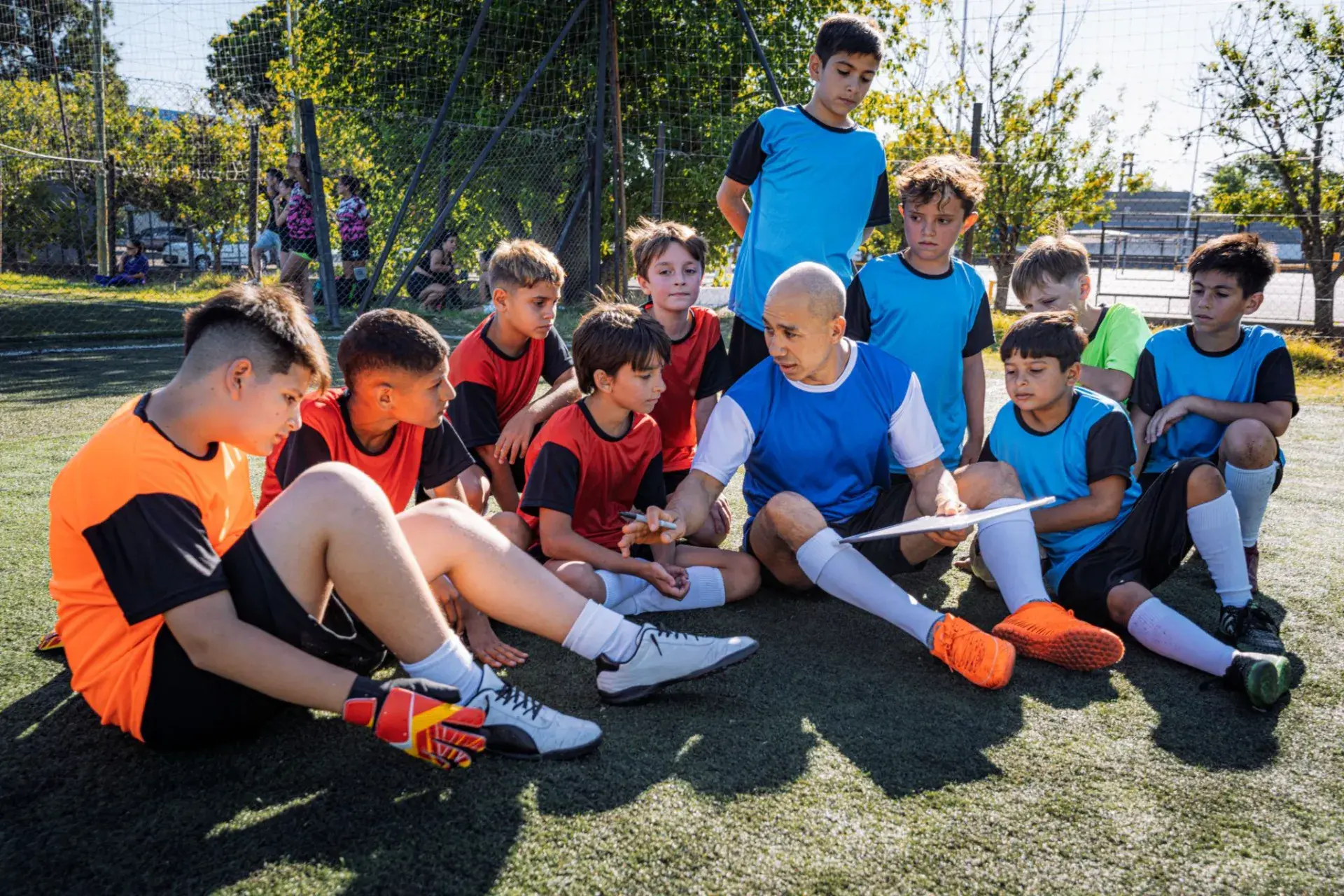
A games-based assessment in ecological dynamics for measuring physical literacy
Proposes and pilots a games-based assessment framework grounded in ecological dynamics to evaluate physical literacy through real-time child–environment interactions during gameplay, rather than isolated skill testing.
Brett Wilkie, Jonathan Foulkes, Carl T. Woods, Alice Sweeting, Colin Lewis, Keith Davids, James Rudd
Uploaded by Flavius Andrisca
U7-U11U12-U16U17+
Assessment in learning environments28en
10 Apr 2026
📰Article
new
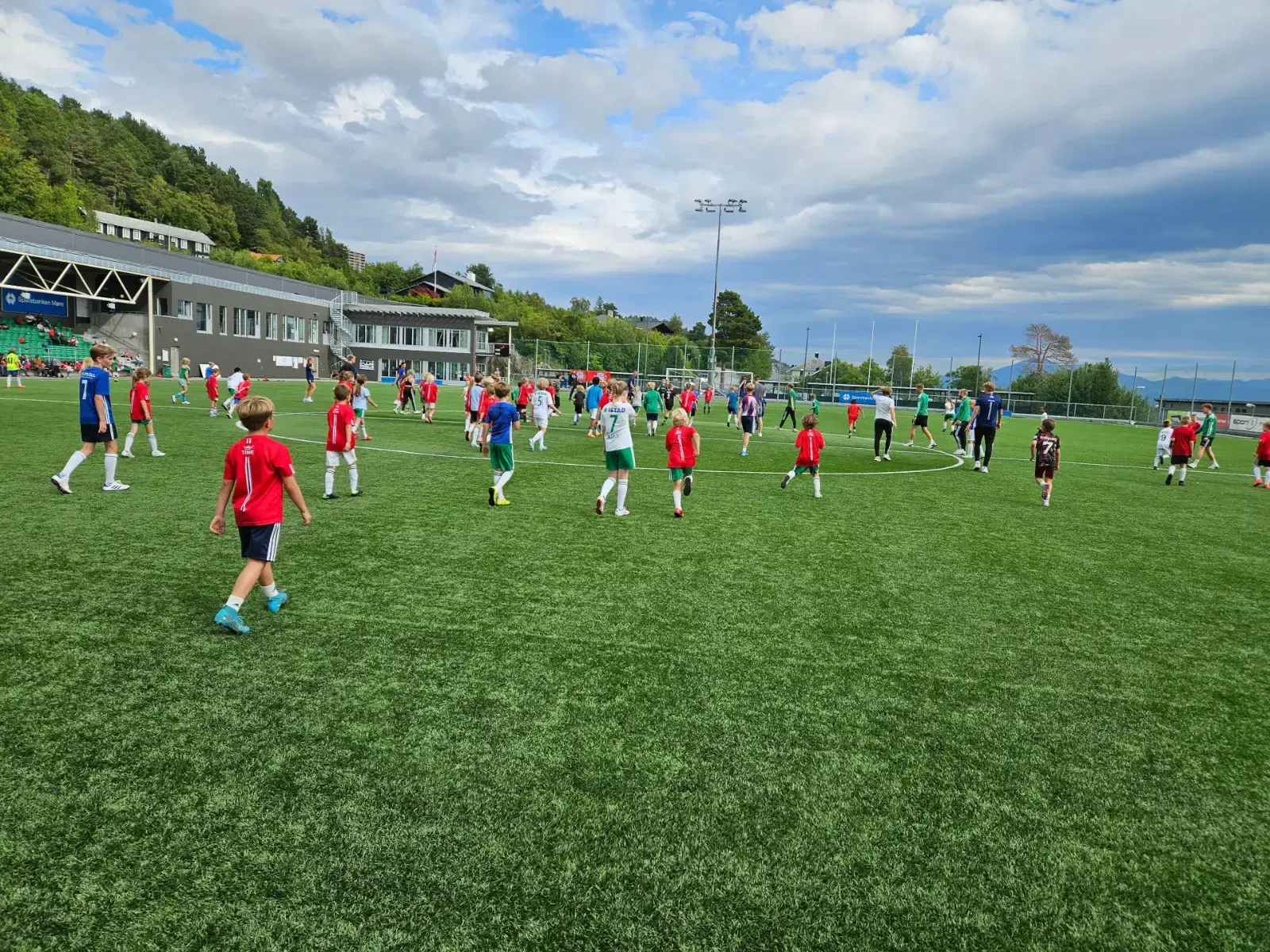
Factors Driving the Success of Norwegian Sport
An analysis of the key factors behind Norway’s success in sport, focusing on child-centered development, community-based structures, cultural influences, and the relationship between long-term participation and elite performance.
Mark O’Sullivan
Uploaded by Flavius Andrisca
U12-U16U17+U7-U11
Youth development environment21en
10 Apr 2026
🔬Research
new
An ecological dynamics approach to motor learning in practice: Reframing the learning and performing relationship in high performance sport
This paper looks at how learning is approached in high performance sport and questions the limits of more traditional methods. The authors argue that preparation time should be used in a way that directly influences performance, not treated as something separate from it. From this perspective, learning is understood through the relationship between the player and the environment, which can look different in training compared to competition (Button et al., 2020b). Using an ecological dynamics lens, the paper suggests that practice design should better reflect the conditions of the game, so that what players experience in training connects more clearly to what they face in performance.
Ian Renshaw, Keith Davids, Mark O’Sullivan, Michael A. Maloney, Rian Crowther, Chris McCosker
Uploaded by Flavius Andrisca
U7-U11U12-U16U17+
Environment41en
8 Apr 2026